
Indian Wedding Season Meal Plan: What to Eat Between Functions
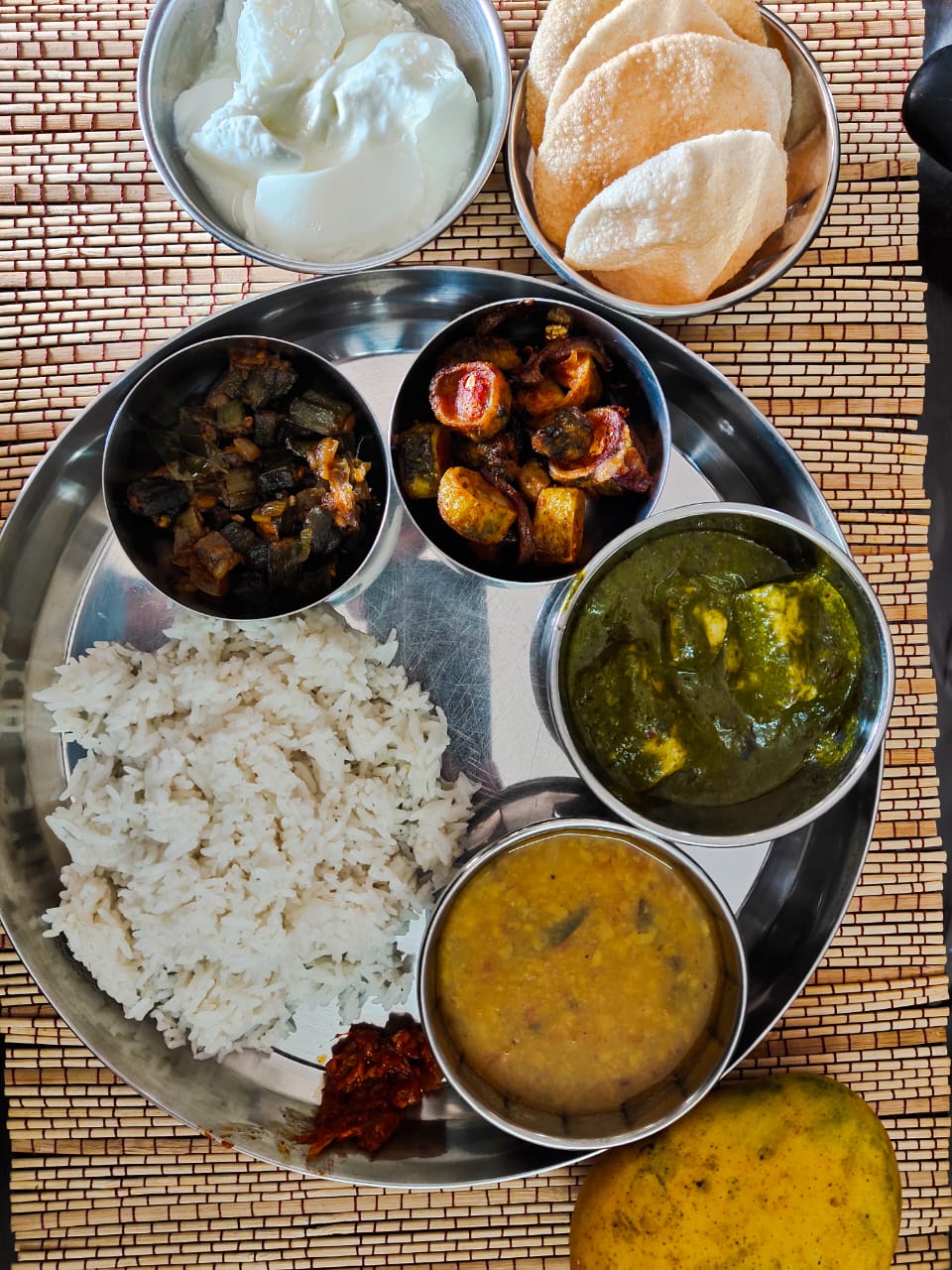 Photo: Radhika41
Archive photograph, Indian homemade thali by Radhika41, CC BY-SA 4.0. Cropped for display.

For a week with several Indian wedding functions, put the invitations and your home meals on the same calendar. Mark when you leave, when food is likely to be served and who will be home. Then choose a few familiar meals for the gaps. A Tuesday sangeet can change Tuesday dinner. Wednesday still needs its own plan.
Suppose the family group has invitations for a sangeet, a mehendi and a reception. One is close to home, one means leaving straight from work, and the third might finish late. The example below shows how a household could organise that week. Start with your own invites and check timings with the host.
Map three details for each invitation
Write the time you expect to leave, the best information you have about dinner and the next meal you will need at home. If the invite says 7 pm and dinner timing is unknown, ask the host who can confirm it. Add a buffer for changing clothes, transport or a stop to pick up relatives. An early departure can make a regular lunch easier to plan around than an evening stop.
Share the calendar with the people who cook or shop. “Thursday ko seedha office se jaana hai” tells the household more than “Thursday shaadi.” Now someone can decide whether to pack lunch in the morning, eat at the canteen or shop on a different day. Planning around predictable barriers is a practical habit strategy. NIDDK guidance on planning for changes.
A seven-day wedding week meal planner
| Day | Evening plan | Home meal or prep decision |
|---|---|---|
| Monday | Home | Check the pantry for dal and rice. Set aside ingredients for Tuesday lunch. |
| Tuesday | Sangeet nearby | Keep breakfast and lunch in the calendar. Ask when dinner is expected. |
| Wednesday | Home | Choose an ordinary dinner such as dal, chawal and bhindi. Ask who will be home. |
| Thursday | Mehendi after work | Decide lunch before leaving home. Allow for the drive and check whether you can get food before the event if needed. |
| Friday | Home | Check which vegetables and staples are still available. Buy for the next confirmed home meals. |
| Saturday | Reception across town | Keep a quick home meal in mind if the invitation changes. |
| Sunday | Home | Pick breakfast and lunch based on your appetite. Look at the next week’s invites before shopping. |
These are fictional invitations and suggested decisions. Adjust the number of meals, timing and portions to your own routine. If only two people will be home on Friday, plan for two. If a relative joins at the last minute, ask what they’d like and choose a dish you can scale.
Put the meals you’ll eat at home on the calendar alongside the functions.
Choose home meals you already know how to make
Pick two familiar combinations for the next few days. You might choose dal and rice with a seasonal sabzi for one meal and roti with chana and vegetables for another. On a workday, poha and dahi might fit breakfast if those are foods you already enjoy. Keep the selection flexible so someone can cook with what is in the kitchen. WHO’s guidance emphasises variety across food groups, with foods that fit local availability and customs. WHO guidance on dietary variety.
For shopping, count the home meals you have actually pencilled in. Suppose two adults will each have one katori of dal at Wednesday dinner. Write “two of our usual katoris” as an example of the cooked amount you want to serve. Scale from what your own recipe normally yields. A household katori is a useful reference for your kitchen, and the amount can differ from a packet’s stated serving. NIDDK guidance on servings and portions.
If you need a work lunch, decide where it will come from before the morning rush. Pick an option that fits your commute and available food storage, or choose a canteen meal you can actually buy that day. Keep prepared food at an appropriate temperature. Office tiffin food handling guide and WHO food handling guidance.
Use a fallback when the function moves
Give the uncertain day one concrete fallback. If Thursday’s mehendi moves, someone can make fresh vegetable pulao and serve dahi from the fridge. If you still go straight from the office, check where you can get something to eat if you are hungry and dinner is delayed. A fallback is useful only if the kitchen, shop or canteen will be open when you need it.
A delay also changes the next day’s logistics. If you get home late on Saturday, pick Sunday breakfast from foods that need little preparation. Leave the Sunday shop until you know which meals you will be at home for. If you have a diabetes care plan, discuss delayed meal timing with your treating team before the function. Wedding meal questions to take to your care team.
Decide what to keep for the next wedding week
At the end of the week, keep one observation. Maybe the Tuesday lunch was easy because you packed it with breakfast, or Thursday’s transport meant you needed to ask about dinner much earlier. Keep the change that makes the next invitation easier to manage.
If you track meals, a note such as “home lunch, one katori dal and two rotis” or “reception dinner, rice and paneer, portions estimated” can help you remember what happened. Add the detail you know and leave uncertain portions approximate. You can keep that meal record with Coach Bhai.
Three details to confirm with the household
- Who needs lunch on function days? Count the people who will be at home or taking a dabba.
- Which home dinner can move? Put one flexible meal on the day most likely to change.
- Who will check the updated timing? Ask one person to confirm transport and food availability with the host.
FAQs
How do I plan meals between Indian wedding functions?
Put the events and home meals on one calendar. Confirm travel and food timing, then choose a couple of familiar home meals and a fallback for the day most likely to move.
What can I eat at home during wedding season?
Choose familiar meals that suit your appetite and routine. Examples include dal, chawal and sabzi or roti with chana and vegetables. Use the foods and amounts that fit your household.
Should I change my home meals after a wedding buffet?
Use your usual routine and current appetite to plan the next meal. If you follow an individual care plan, discuss changes with your care team.
How much food should I buy for a wedding week?
Count the meals people expect to eat at home and check your pantry before shopping. Use your household’s usual recipe yield and buy perishable ingredients for the meals you can confirm.
What should I plan if the reception dinner is late?
Ask the host when food is expected and keep a realistic option for the gap if you need one. Use the travel schedule and available food options to decide what is practical.
Apna wedding week yaad rakho
Use Coach Bhai to record the meals you ate and the portions you remember. Keep the details that help you plan the next function.
Create your Coach Bhai account →Already a member? Log in karo.
Start with the next two home meals
Open the family calendar. Mark the next function and choose the two home meals around it. Confirm who will eat and what is already in the kitchen. Once the host confirms the dinner time, fill in the remaining gap.
Prepared by the Coach Bhai Editorial Team with AI assistance. Sources checked 13 November 2026. The invitations and portions are illustrative.